Responsible Computer & E-Waste Recycling in Johor Bahru: What You Need to Know

Do you have old electronics piling up at home or in the office? You are not alone. E-waste is growing fast.

In Malaysia, you cannot simply throw old gadgets in the bin. It is bad for the planet, and for businesses, it is against the law. If you are searching for a computer recycling center near me, you have come to the right place. We make disposal safe, easy, and legal.

Your Old IT Equipment Is a Legal Liability — Not Just Trash

Malaysia generated 365,000 tonnes of electronic waste in 2025 – and only a fraction was properly recycled. For years, businesses in Johor Bahru could dispose of old computers, printers, and servers with a casual phone call to a scrap collector. That era ended in October 2025, when Malaysia introduced its comprehensive E-waste legal framework, followed by a full ban on E-waste imports in February 2026. The message is clear: electronic waste is no longer  “just trash” – it is regulated, tracked , and carries legal consequences for improper disposal.

For a Johor Bahru business upgrading 20 office computers, the old units represent a triple risk: (1) Legal – improper disposal may attract Department of Environment (Jabatan Alam Sekitar) penalties, (2) Financial – LHDN may flag unexplained asset disposals during audits, and (3) Data – hard drives and SSDs in those old computers contain customer records, financial data, employee information, and login credentials. A simple delete or format does not remove this data. It takes minutes for a determined person to recover “deleted” files.

INSPUR TECH provides certified E-waste disposal for JB businesses – combining government-compliant recycling with military-grade data sanitization. We collect your retired IT equipment, erase or physically destroy all data to NIST 800-88 standards, dispose through licensed recycling partners, and provide a Certificate of Disposal for your audit trail. Free pickup for 5 or more items within Johor Bahru.

  • Toxic Material Containment: Electronics have toxic stuff inside. This includes lead and mercury. If these go into a normal landfill, they poison the soil and our drinking water.

  • Resource Conservation: Your old phone has gold, silver, and copper inside. We recycle these materials. This means we don’t have to mine as much from the earth.

  • Data Security Risks: Old hard drives still hold data. Even if you delete files, thieves can find them. We destroy the drives so your data is gone forever.

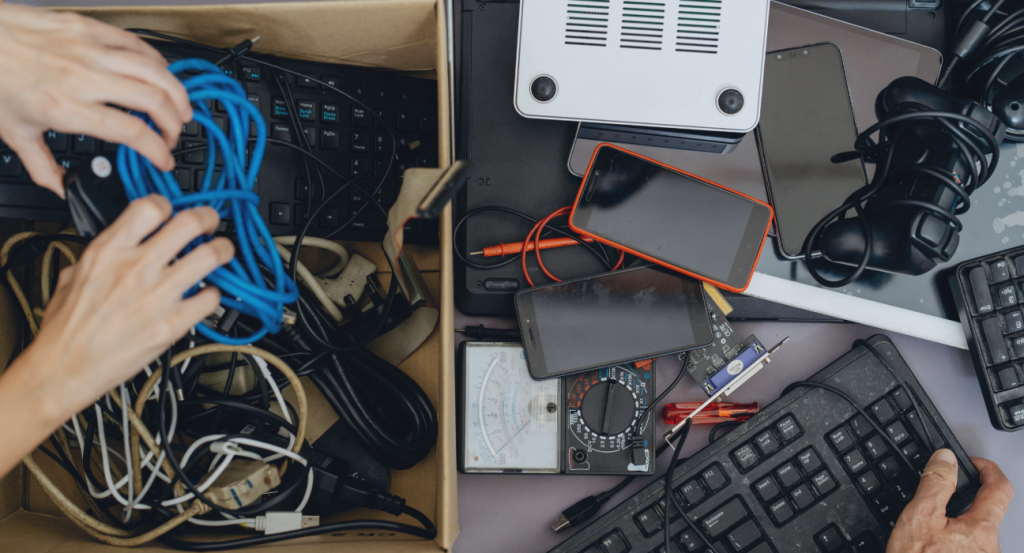
recycle the wire and keyboards
  • Legal Compliance: In Malaysia, e-waste is a “Scheduled Waste.” Businesses must use a licensed team to handle it. If you don’t, you could face big fines.

  • Fire Safety: Lithium batteries in laptops can catch fire. If they get crushed in a normal garbage truck, they can explode.

How the E-Waste Recycling Process Works

  • Step 1: Collection & Segregation: We collect your items and sort them out. We separate monitors, batteries, and computers to handle them safely.

  • Step 2: Data Destruction: Safety comes first. We crush or wipe hard drives. This makes sure no one can ever steal your private info.

  • Step 3: Manual Dismantling: We dismantle devices by hand. We separate plastic, glass, and metal frames.

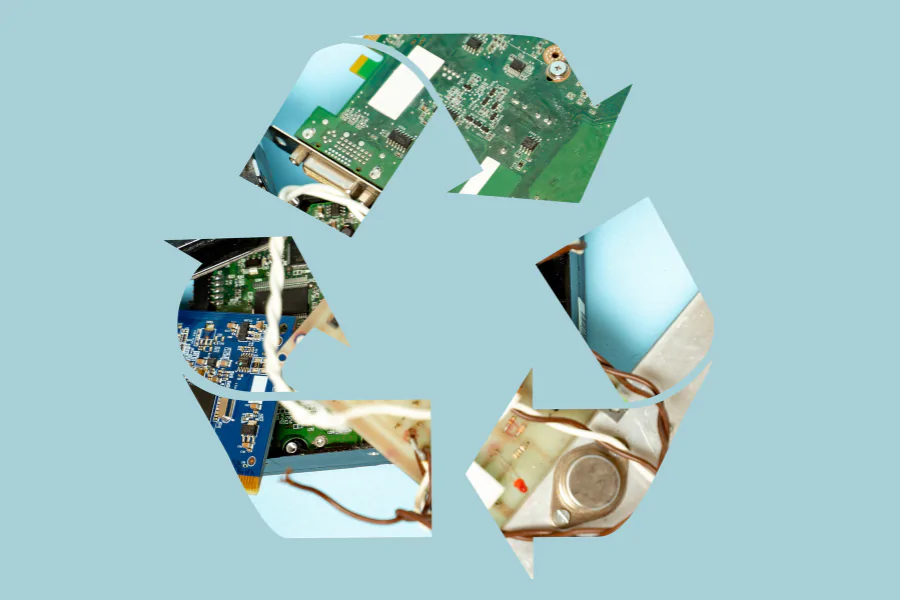
  • Step 4: Material Recovery: We process the circuit boards. We extract the precious metals to make new products.

The Consequences of Improper Disposal

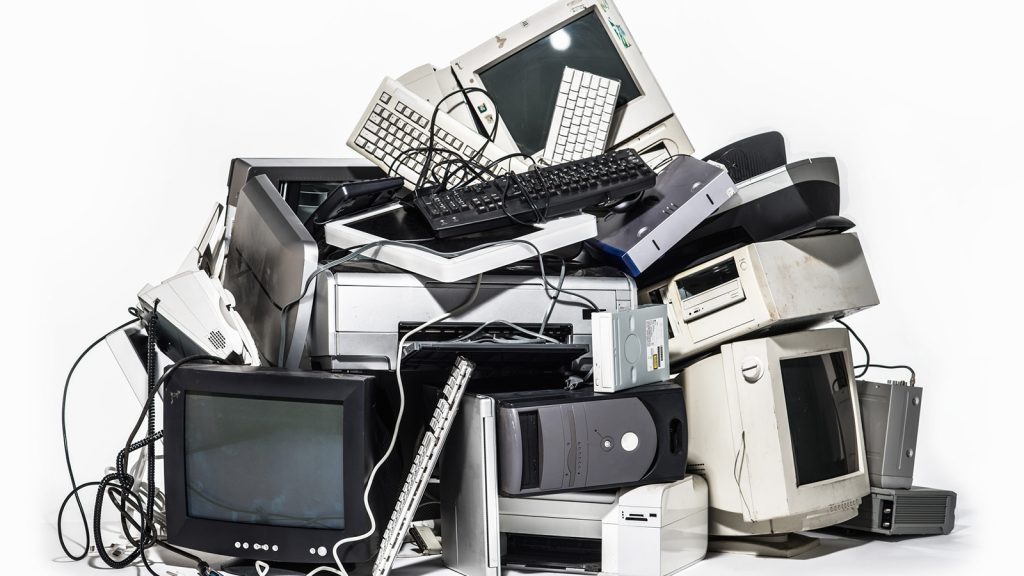
Computers designated for recycling
  • Environmental Pollution: Just one battery can ruin thousands of liters of water. Illegal dumping hurts Malaysia’s rivers and soil.

  • Data Breaches: “Formatting” a drive is not enough. Scavengers look for old computers to steal passwords and bank details.

  • Legal Penalties: The Department of Environment (DOE) checks on businesses. If you dump e-waste illegally, you will get fined.

  • Wasted Resources: When we bury electronics, we lose rare earth metals forever. This hurts the planet.

Malaysia's E-waste regulatory landscape changed significantly in 2025-2026

  • October 2025: Malaysia introduced a comprehensive E-waste legal framework covering collection, transportation, treatment, and disposal of electronic waste. This framework classifies E-waste as “scheduled waste” under the Environment Quality Act 1974.


  • February 2026: Full ban on E-waste imports took effect. This closed the loophole where unofficial recyclers could import and process E-waste under wear oversight.
computer, scrap metal, technology, garbage, e waste, old, second hand, broken, defect, e waste, e waste, e waste, e waste, e waste-2049019.jpg

What this means for JB businesses:

  • You can no longer casually dispose of IT equipment through unlicensed channels.
  • The Department of Environment (Jabatan Alam Sekitar) has increased enforcement.
  • Proper disposal documentations is increasingly important for corporate audits (LHDN asset write-offs, ISO certifications, ESG reporting).
  • Companies with ISO 14001 or ESG commitments must demonstrate compliant E-waste management in annual reports.

FAQ

Most frequent questions and answers

Any broken or unwanted electrical item. This includes phones, laptops, batteries, and monitors.

Standard deletion or formatting is often insufficient. Data recovery software can easily restore “deleted” files. Physical destruction or professional software wiping is the only way to guarantee data is gone.

Yes, but only in large quantities. While individual items have little value, bulk e-waste contains recoverables like copper and gold. However, the cost of safe processing and toxic waste management often outweighs the material value.

Households in Malaysia can drop off small electronics at registered collection centers licensed by the Department of Environment (DOE), often located at shopping malls or community centers.

For a Johor Bahru business upgrading 20 office computers, old devices can create three major risks:

  • Legal Risk – Improper disposal may result in penalties under environmental regulations.
  • Financial Risk – Asset disposals without proper documentation may raise questions during audits.
  • Data Security Risk – Old hard drives and SSDs often contain customer records, financial data, employee information, and login credentials. Simply deleting or formatting files does not permanently remove the data, and it may still be recoverable.

Professional e-waste disposal helps ensure regulatory compliance, proper asset handling, and secure data destruction.

 We’re here to help! Call Us Today!